


"At the stroke of the midnight hour, when the world sleeps, India will awake to life and freedom."
These words by Jawaharlal Nehru, India’s first Prime Minister, marked India’s independence from British rule at midnight on the 15th of August 1947. In his first address, he pledged commitment to moving forward economically, socially and culturally and striving for a united, secular, and democratic nation. Nearly 80 years later, India has transformed itself into an economic and technological powerhouse running the largest democratic system in the world.
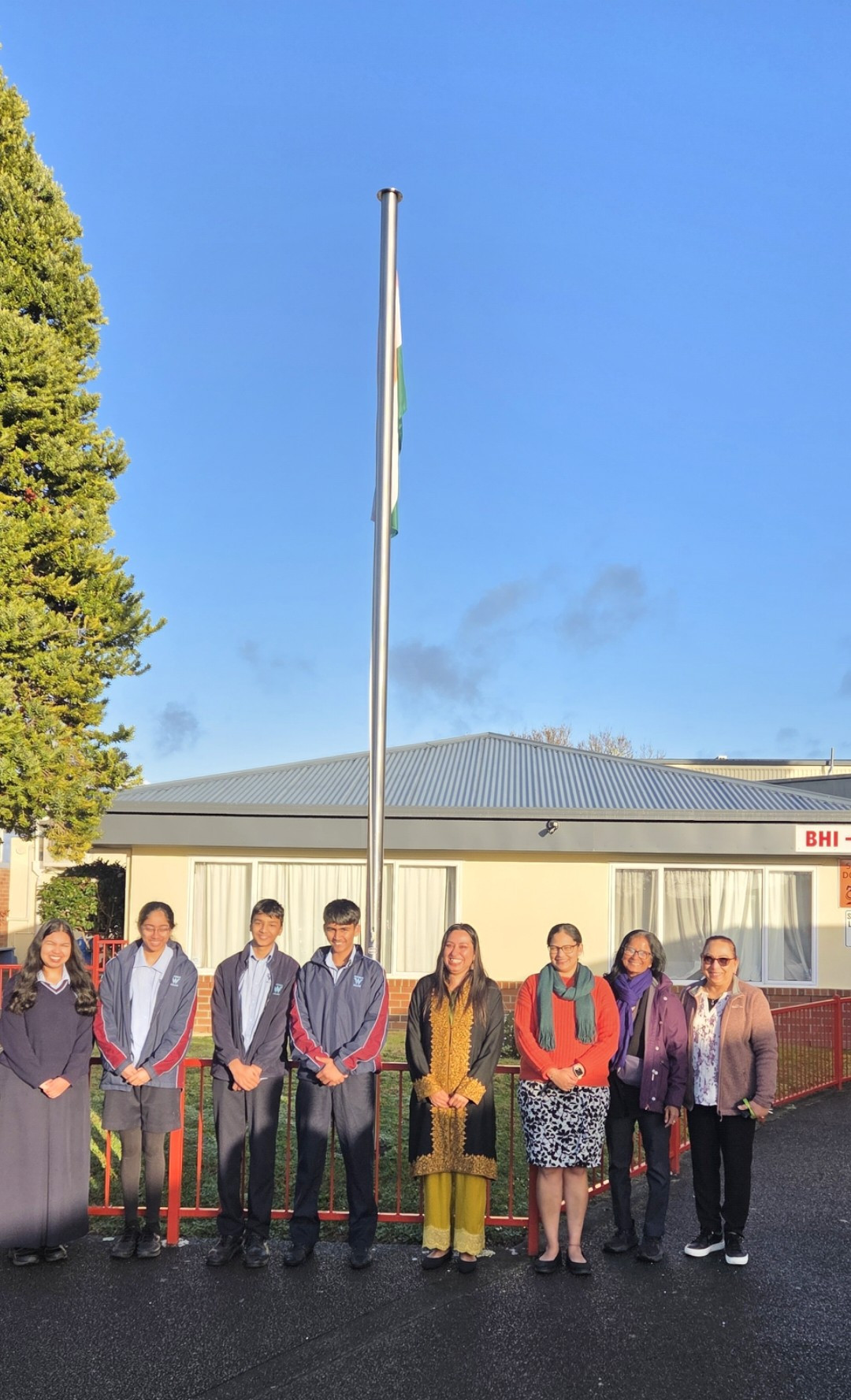
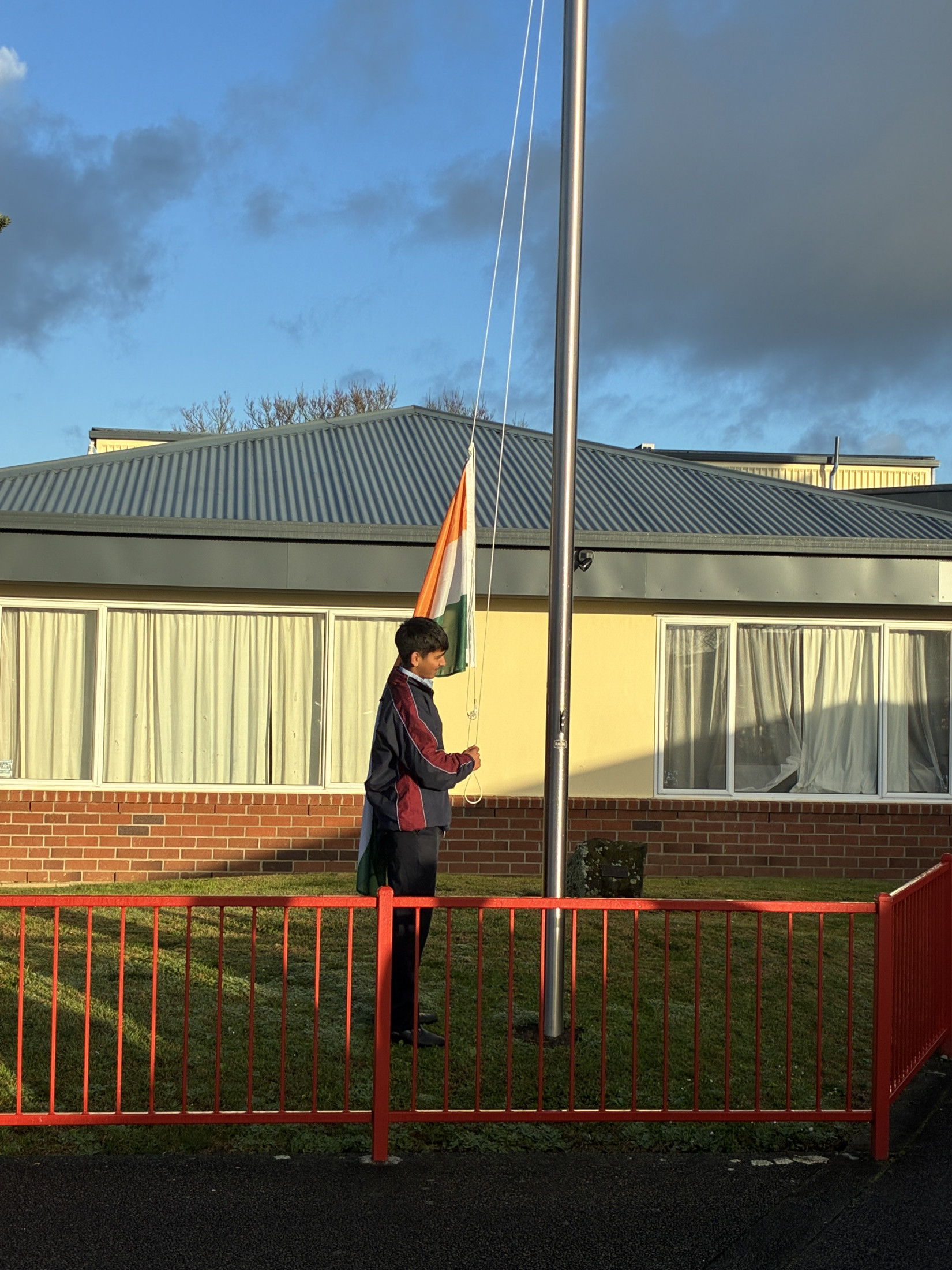
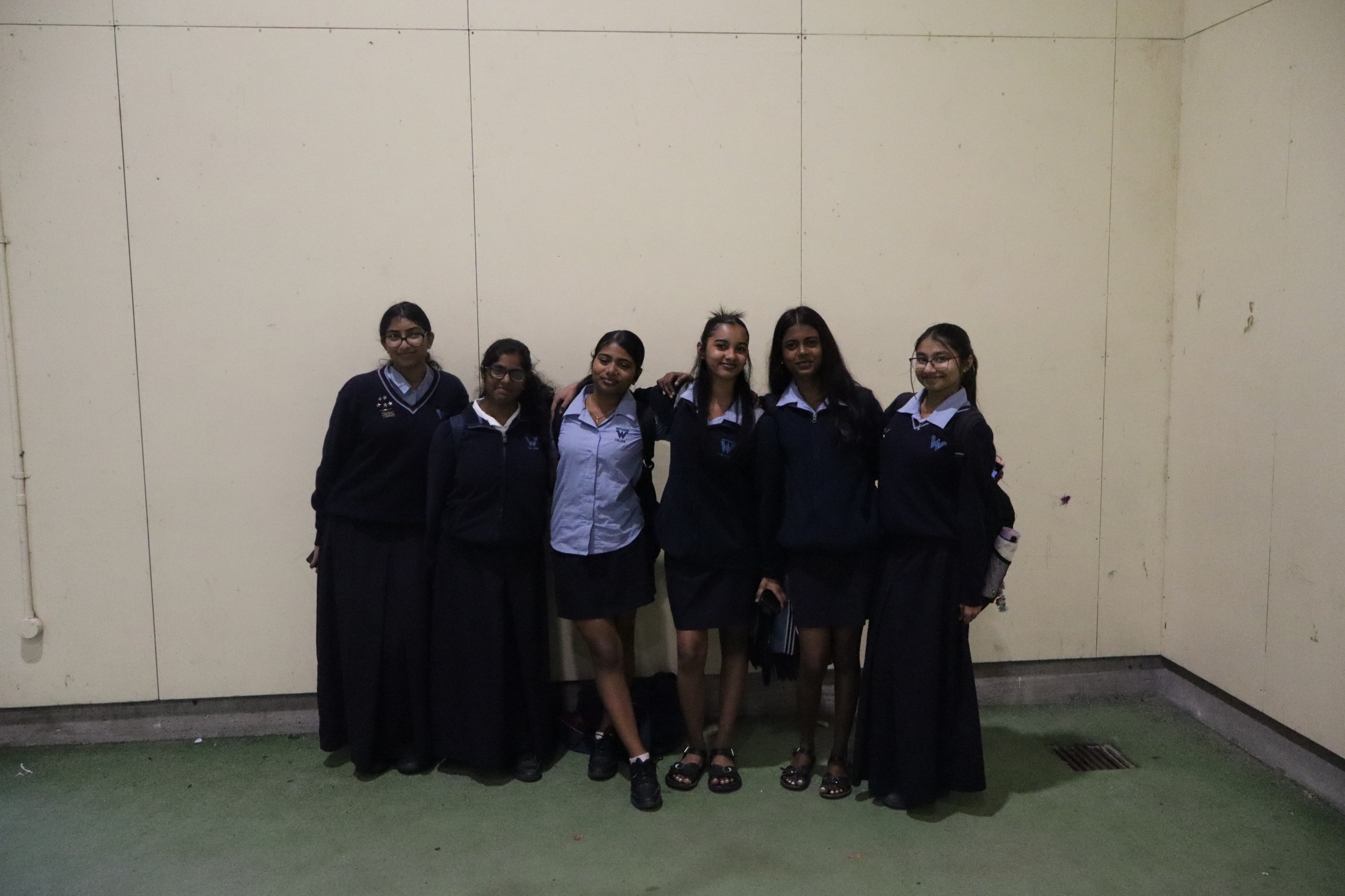
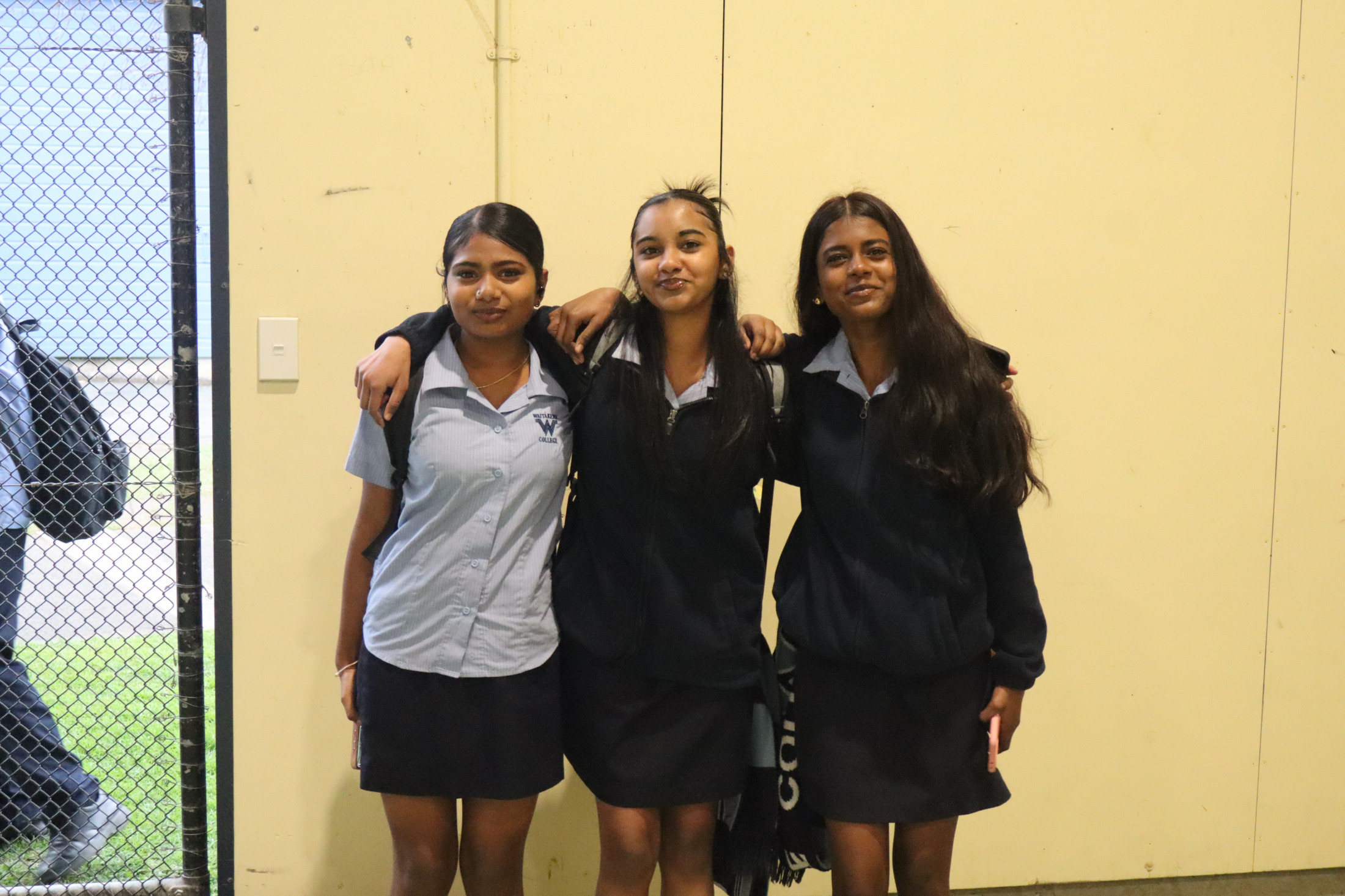
This week, Waitākere College celebrated India’s independence by raising the Indian flag on Monday morning. For the students and teachers of Indian origin at the school, this was a moment of great pride and joy. As the strains of the Indian national anthem rang through the courtyard, they felt emotional and very much connected to their culture and heritage.
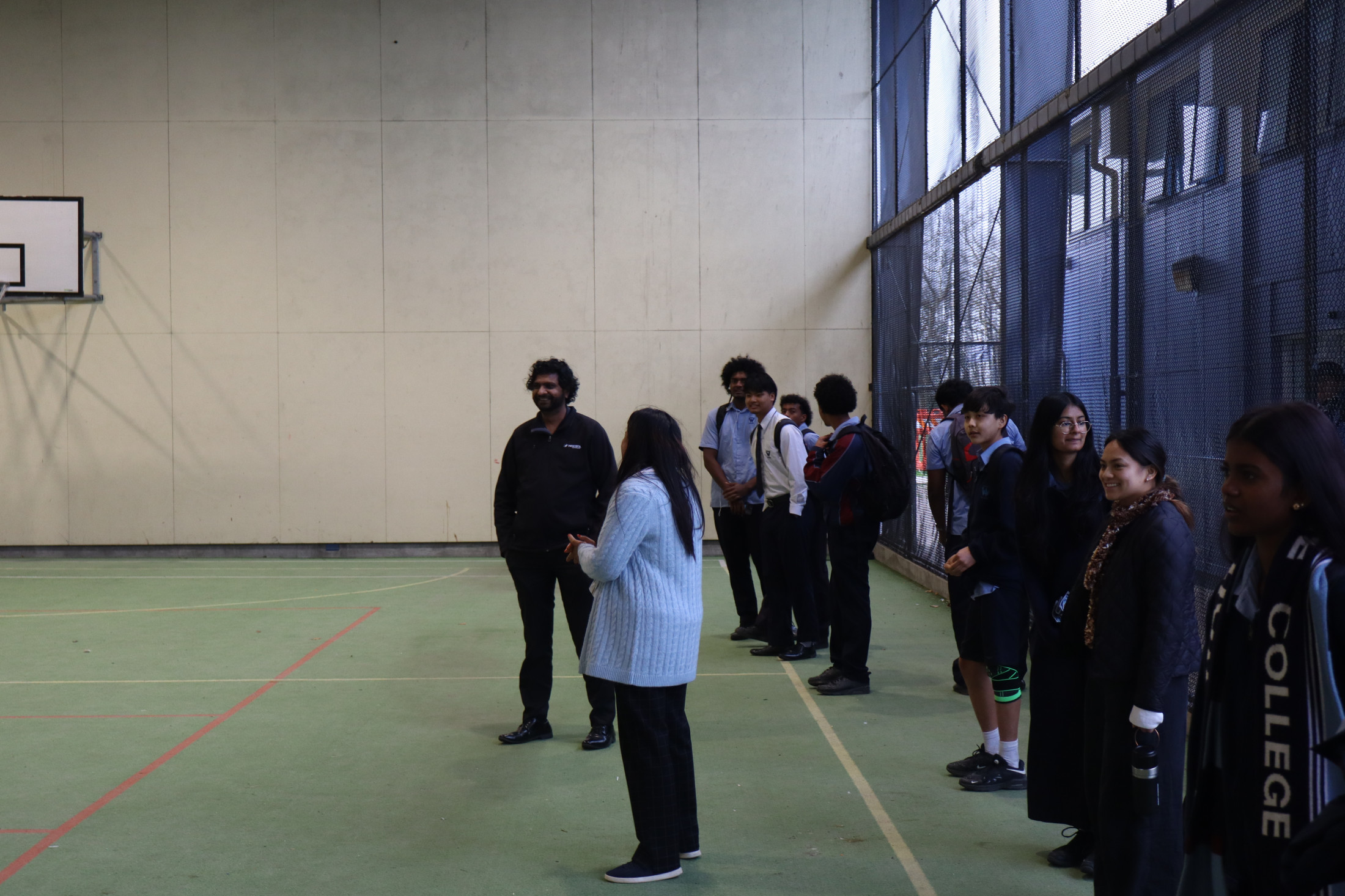
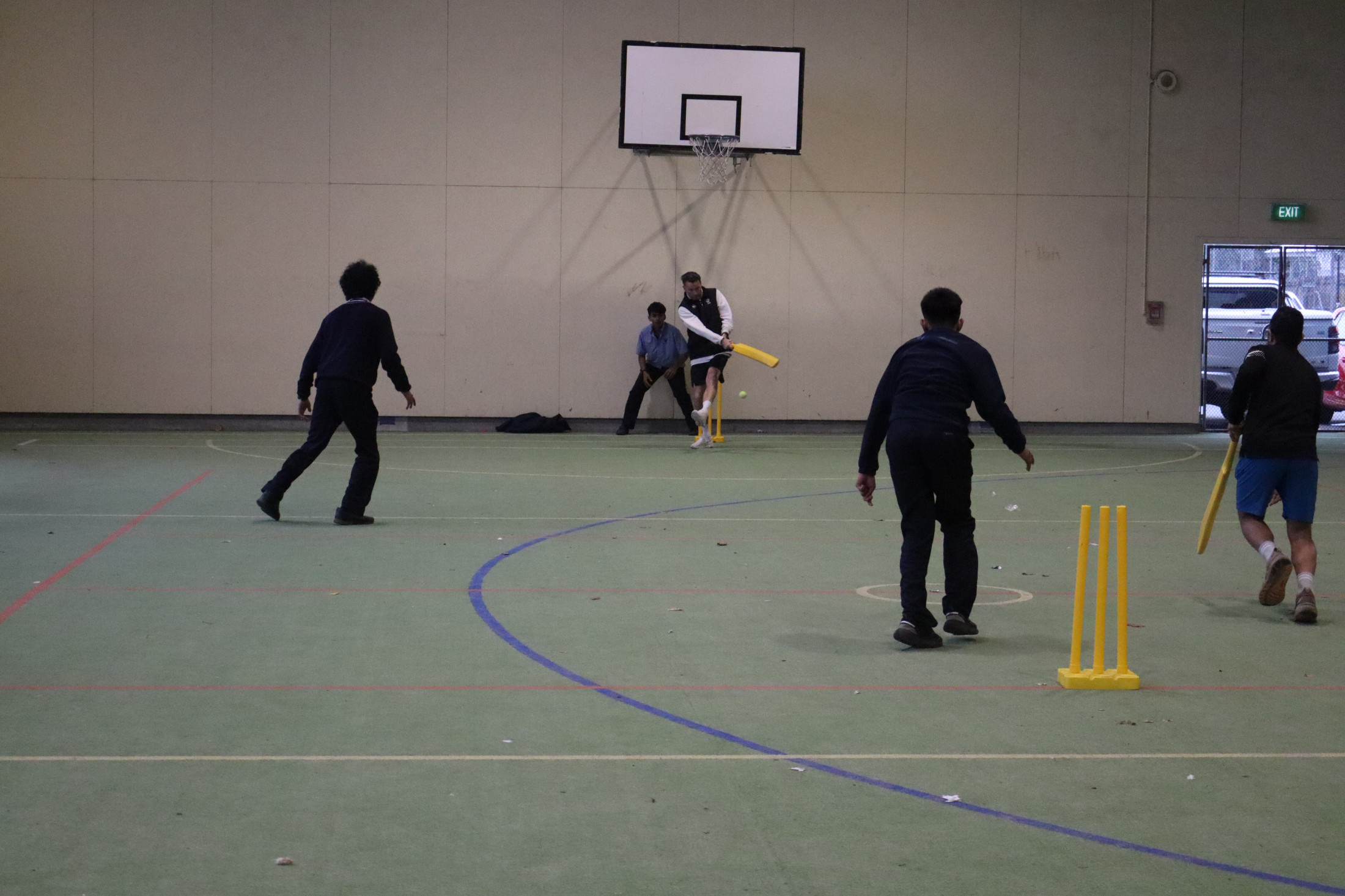
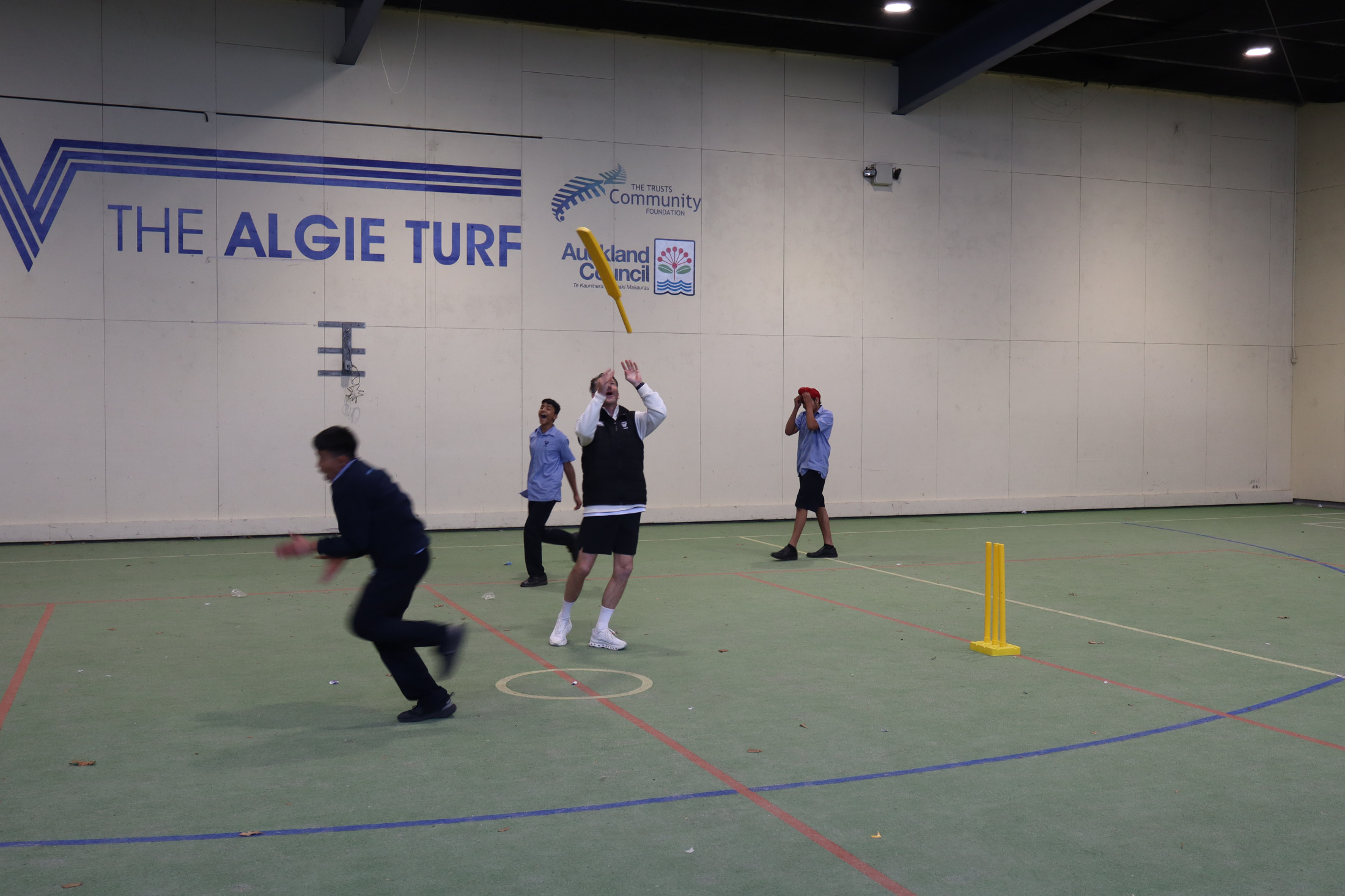
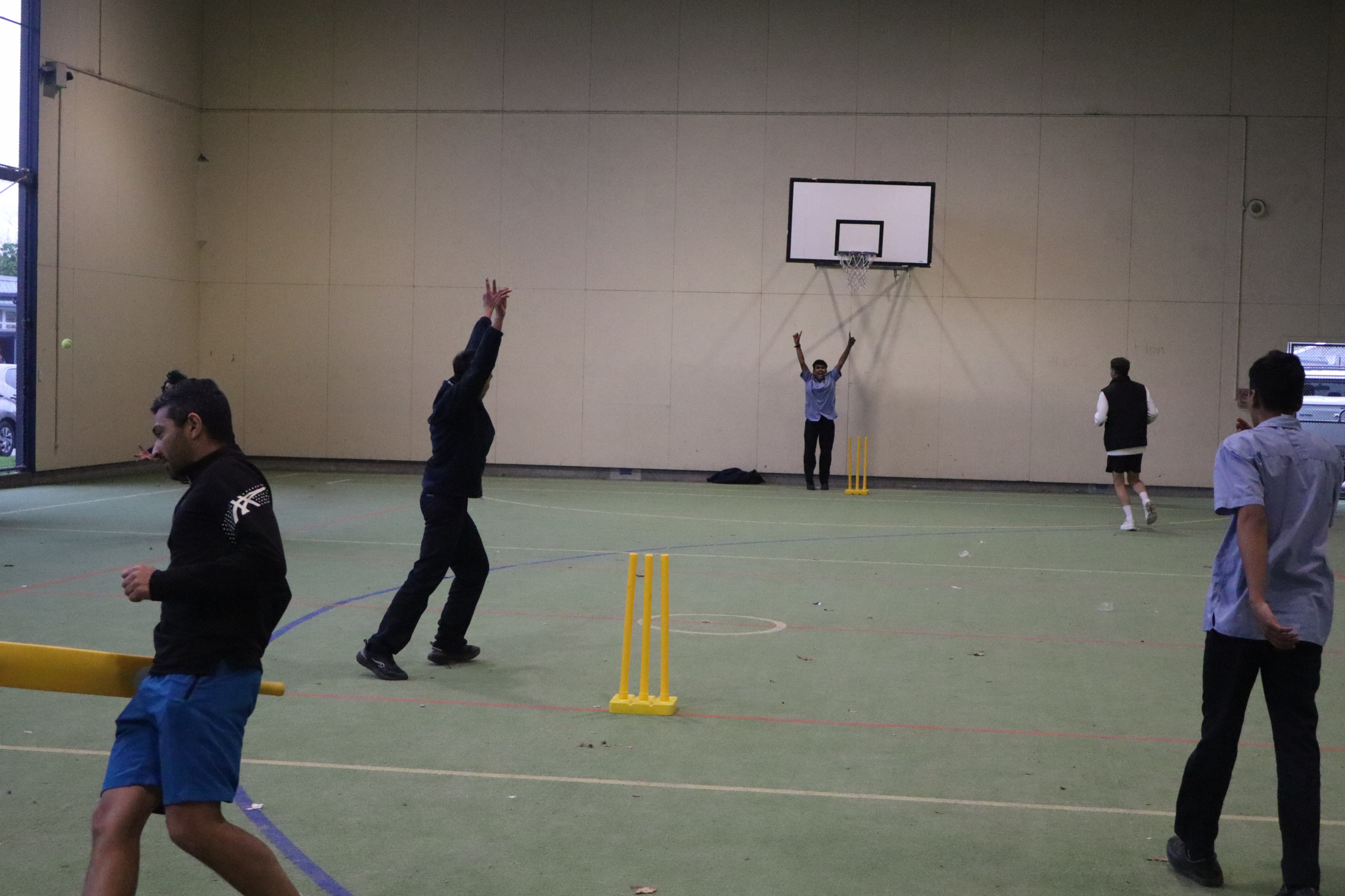
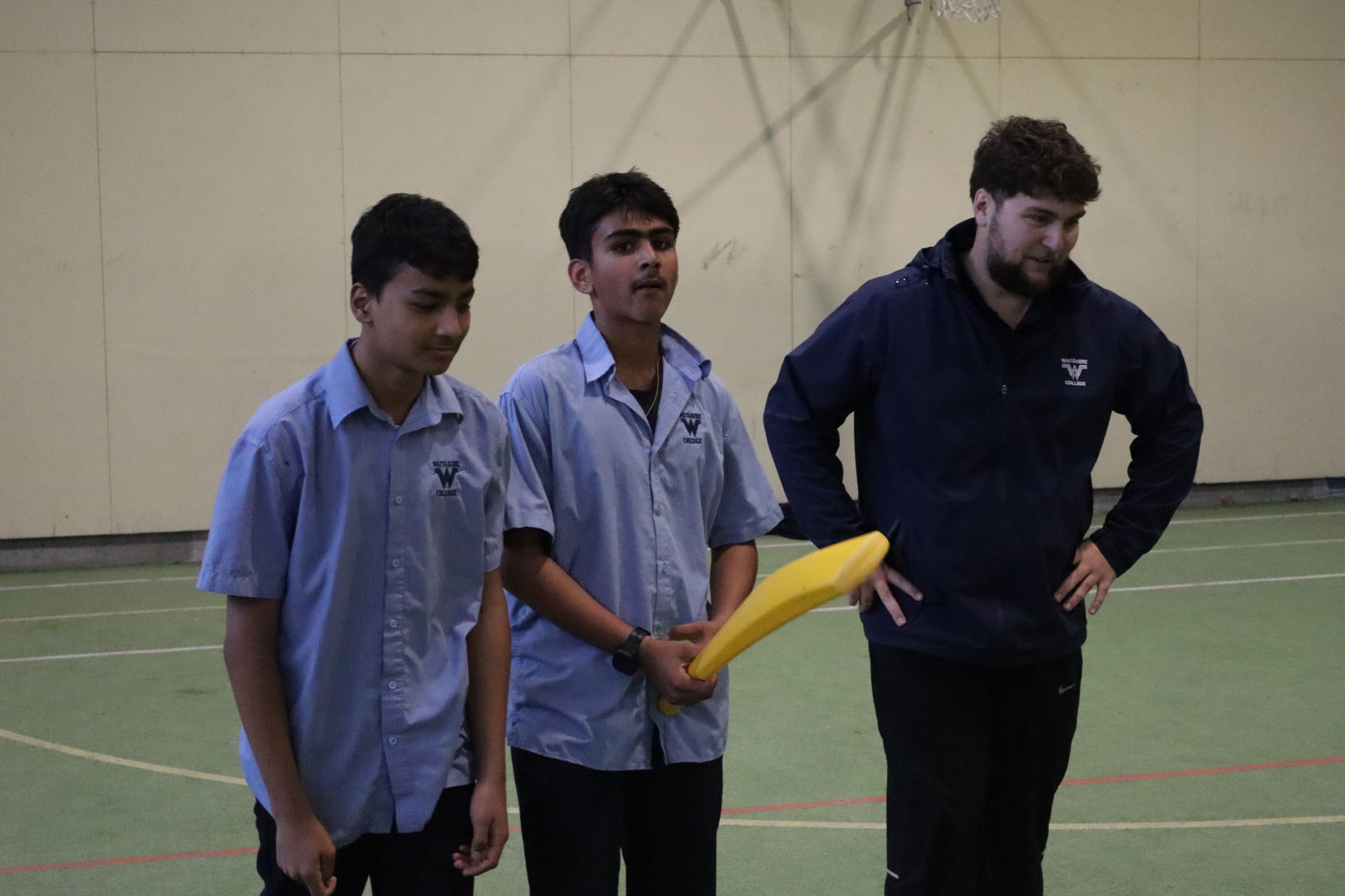
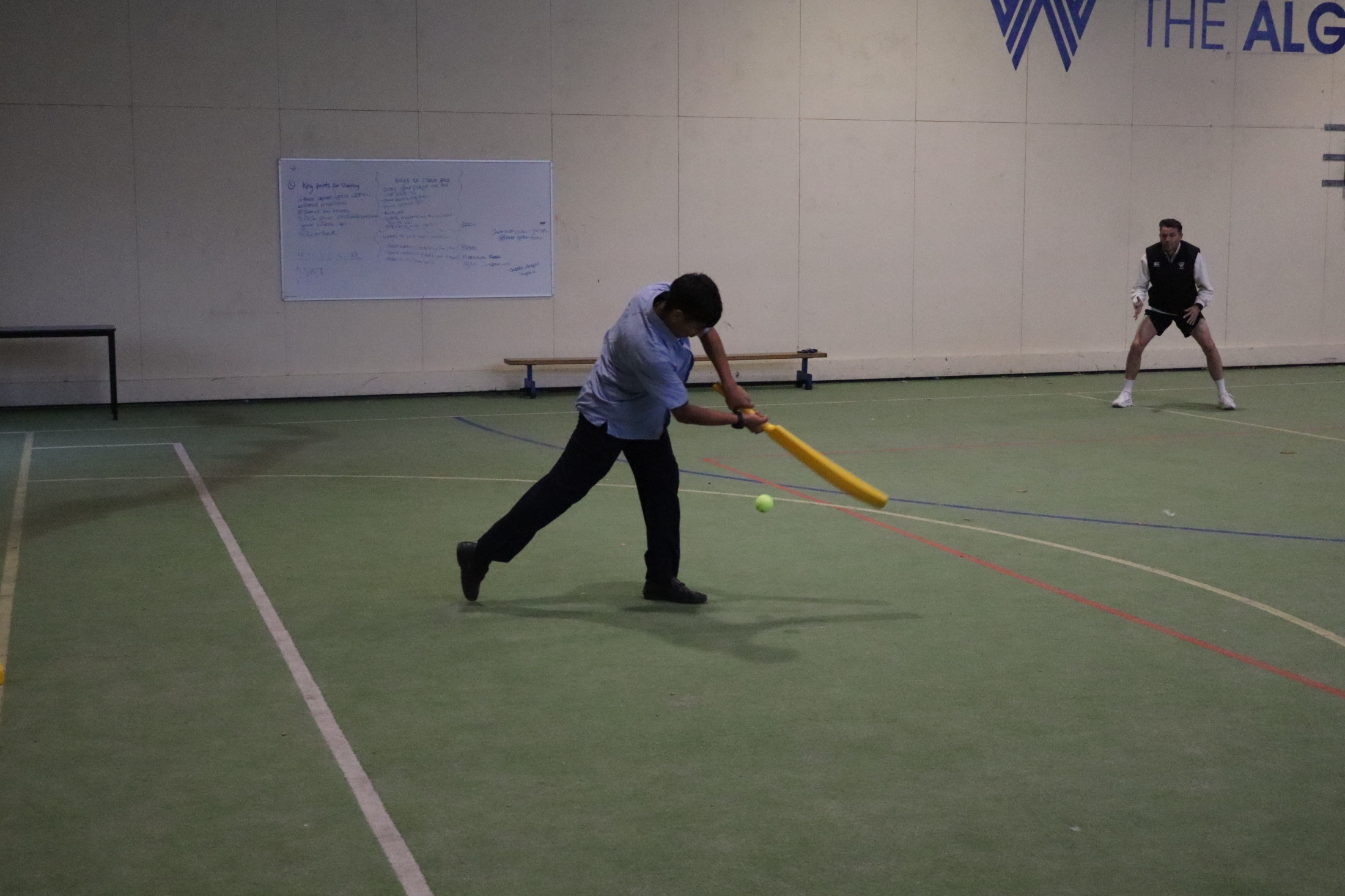
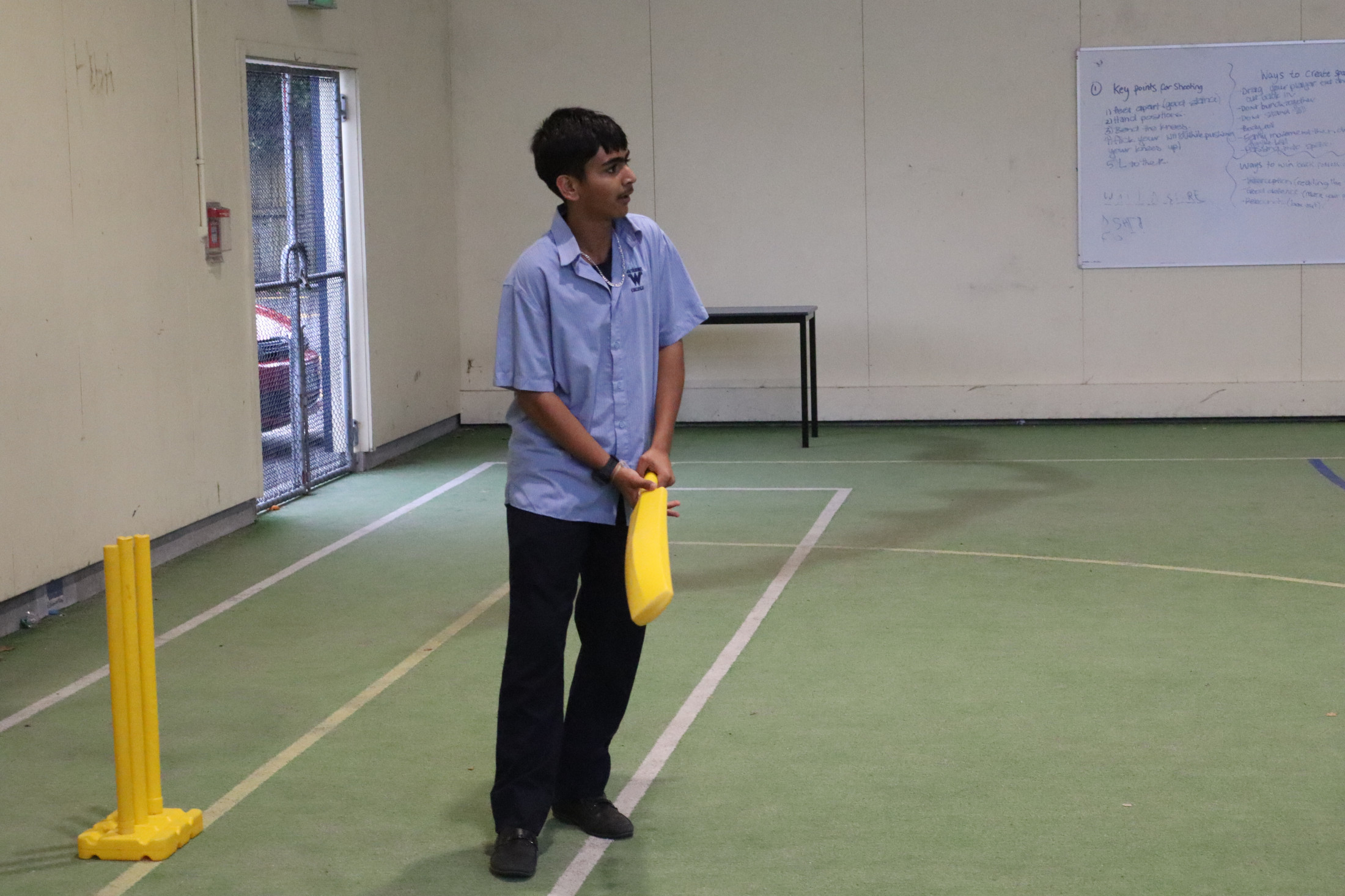
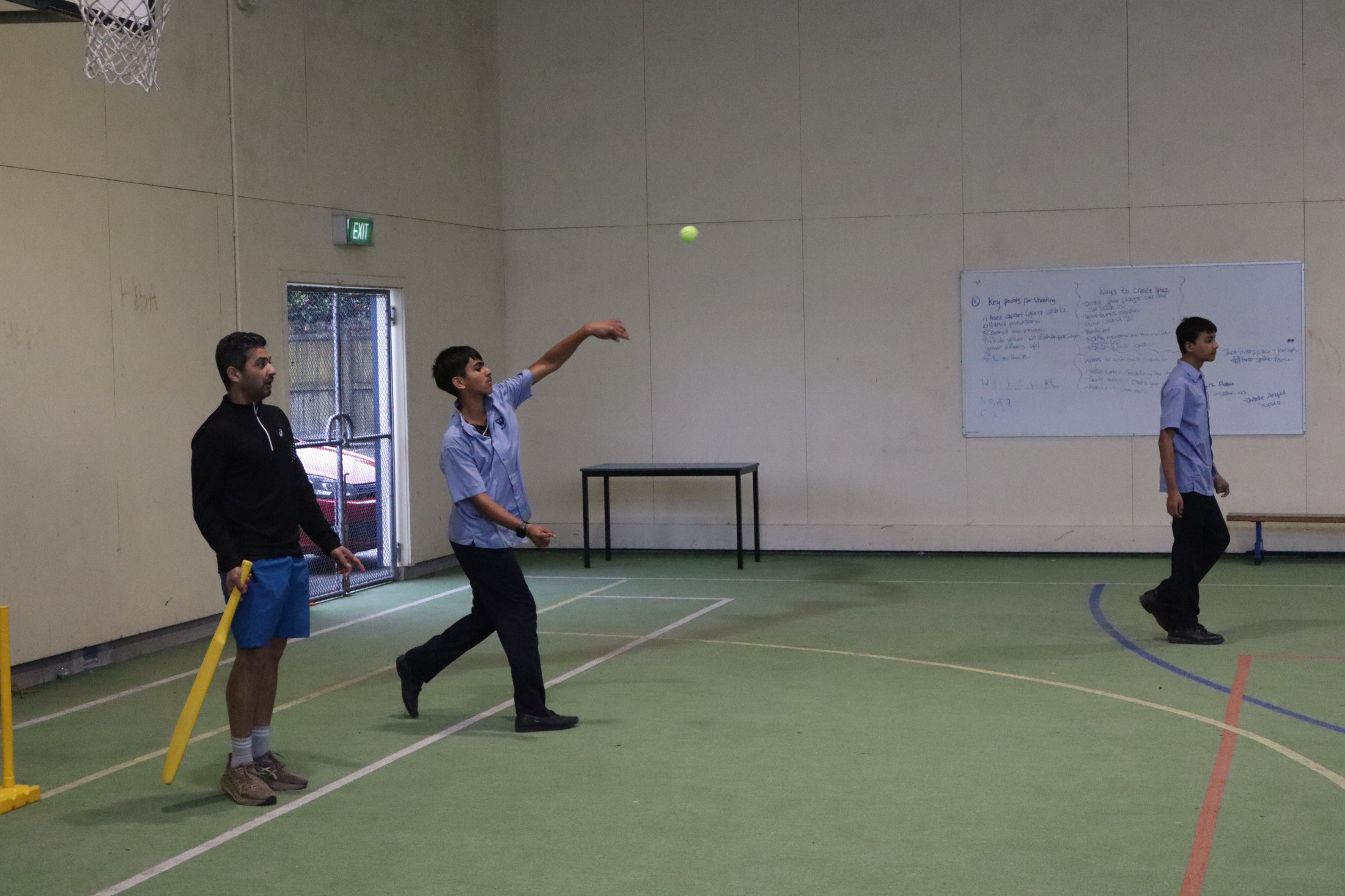
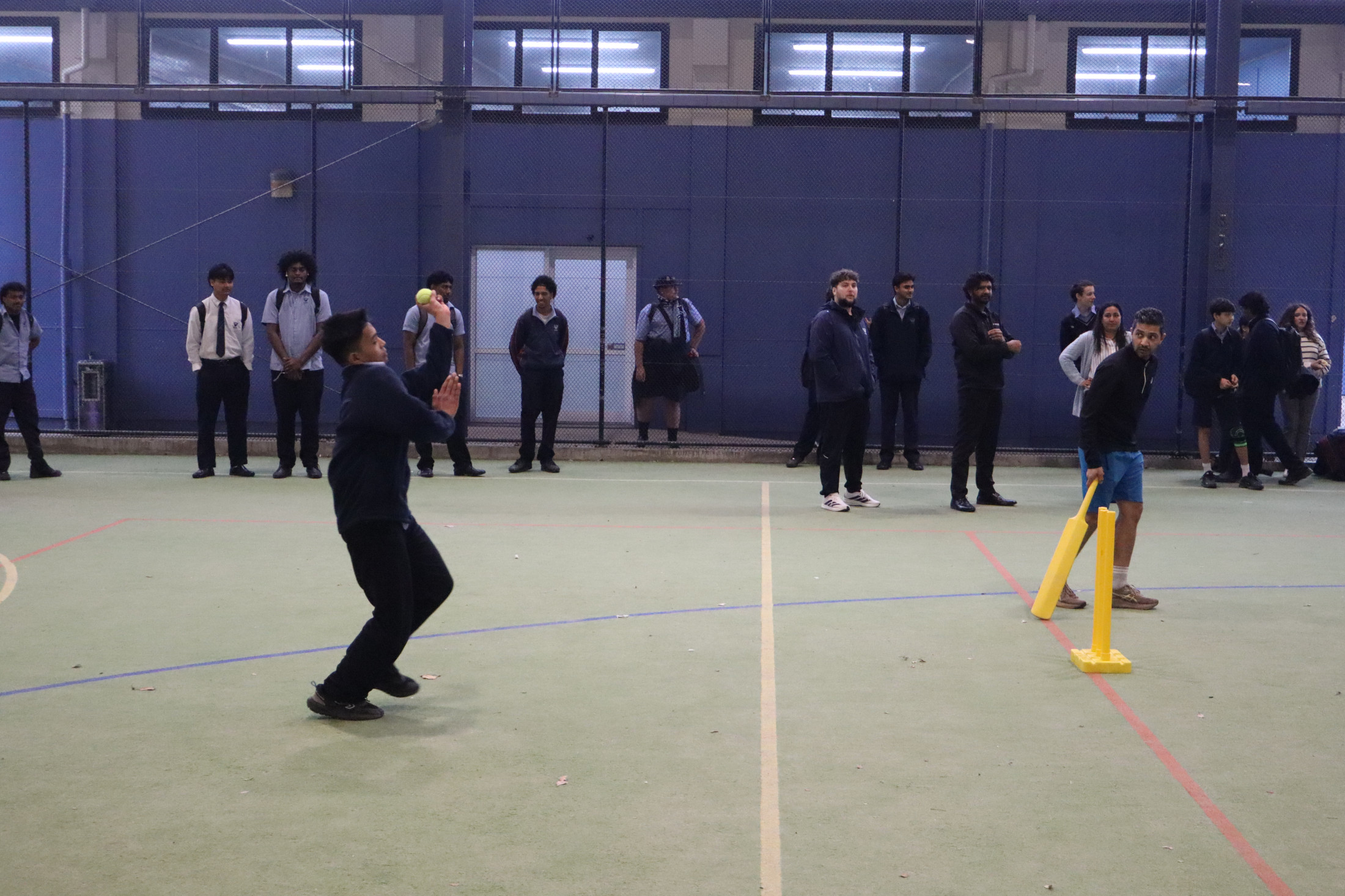
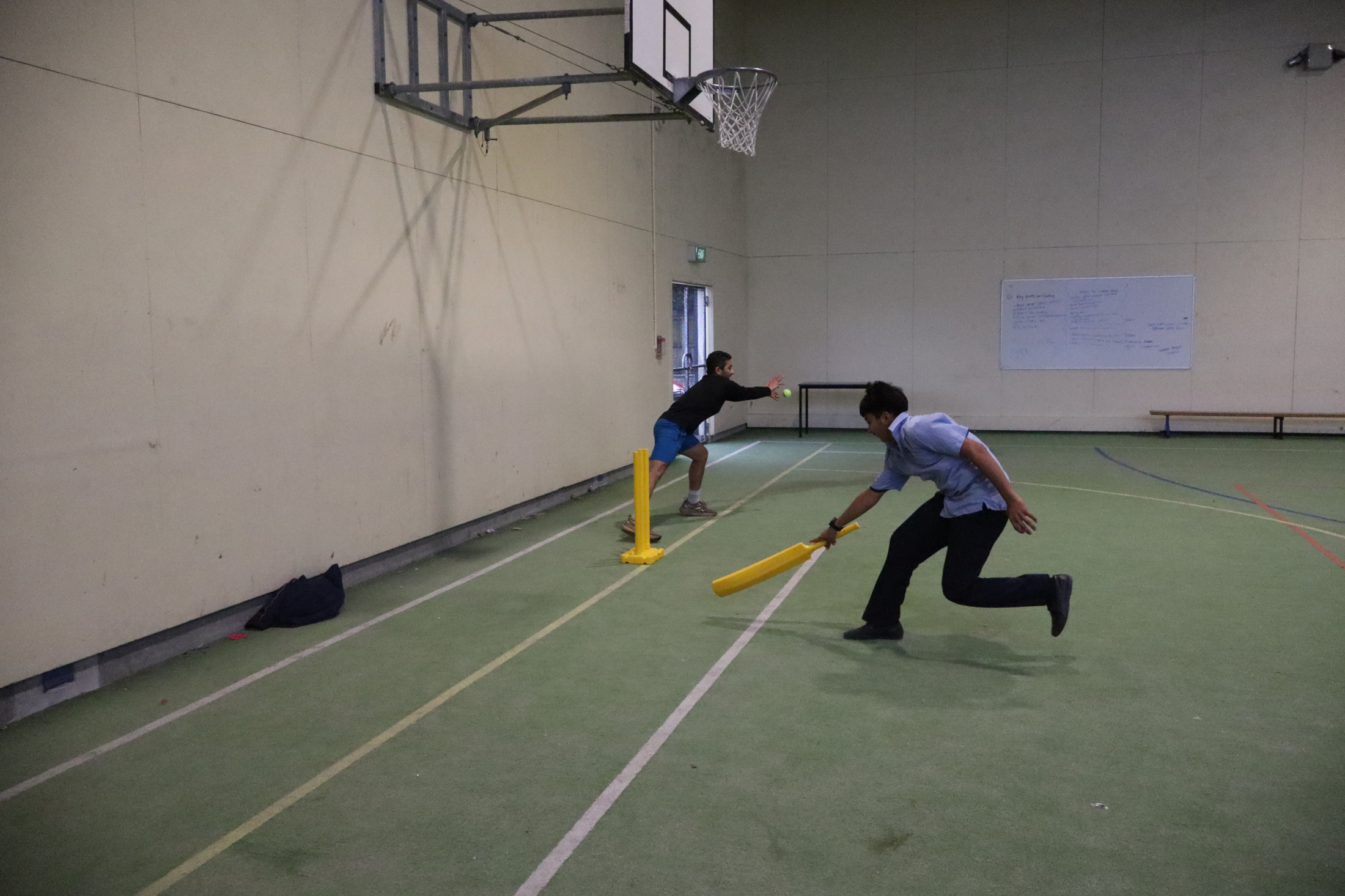
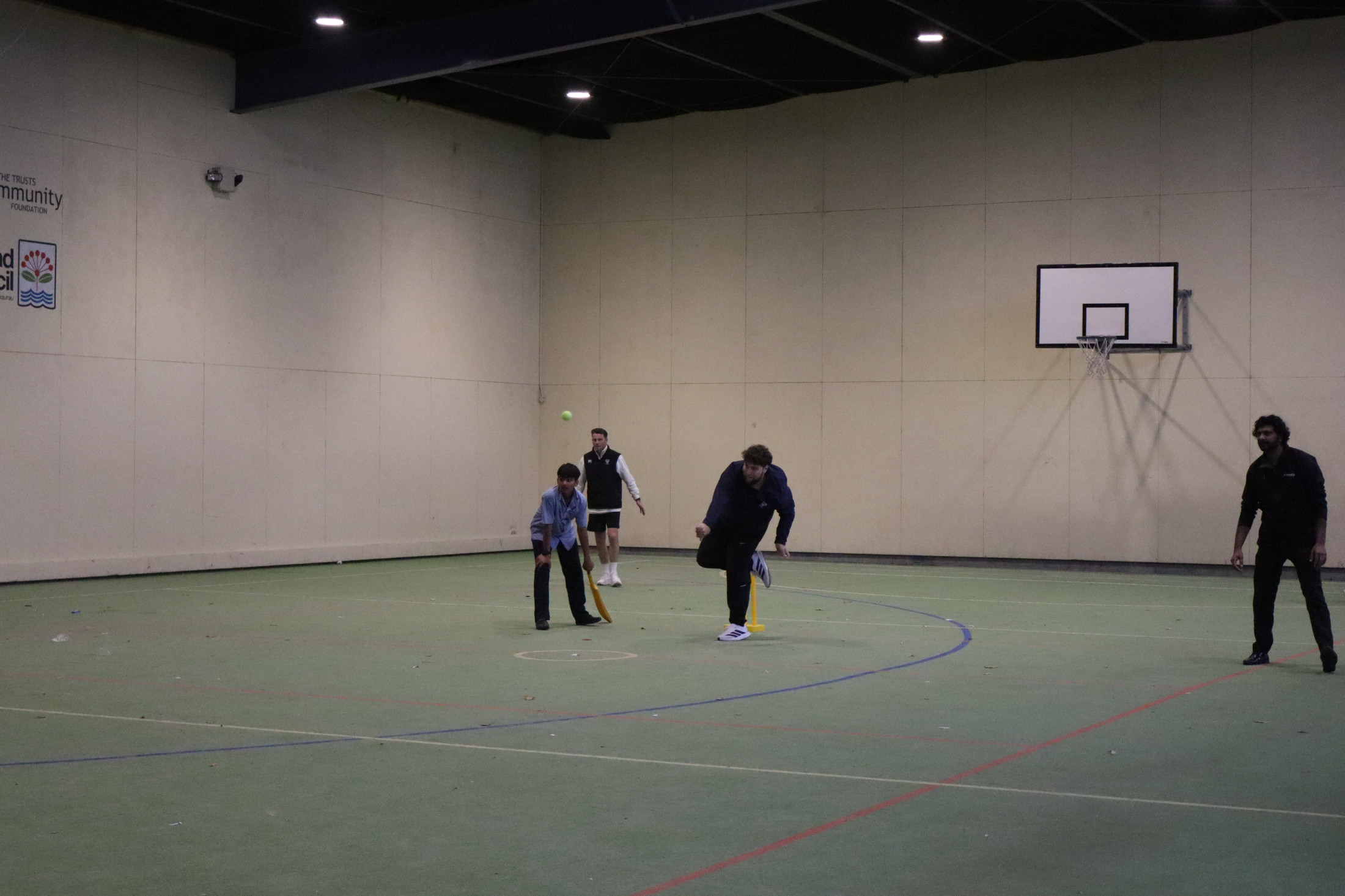
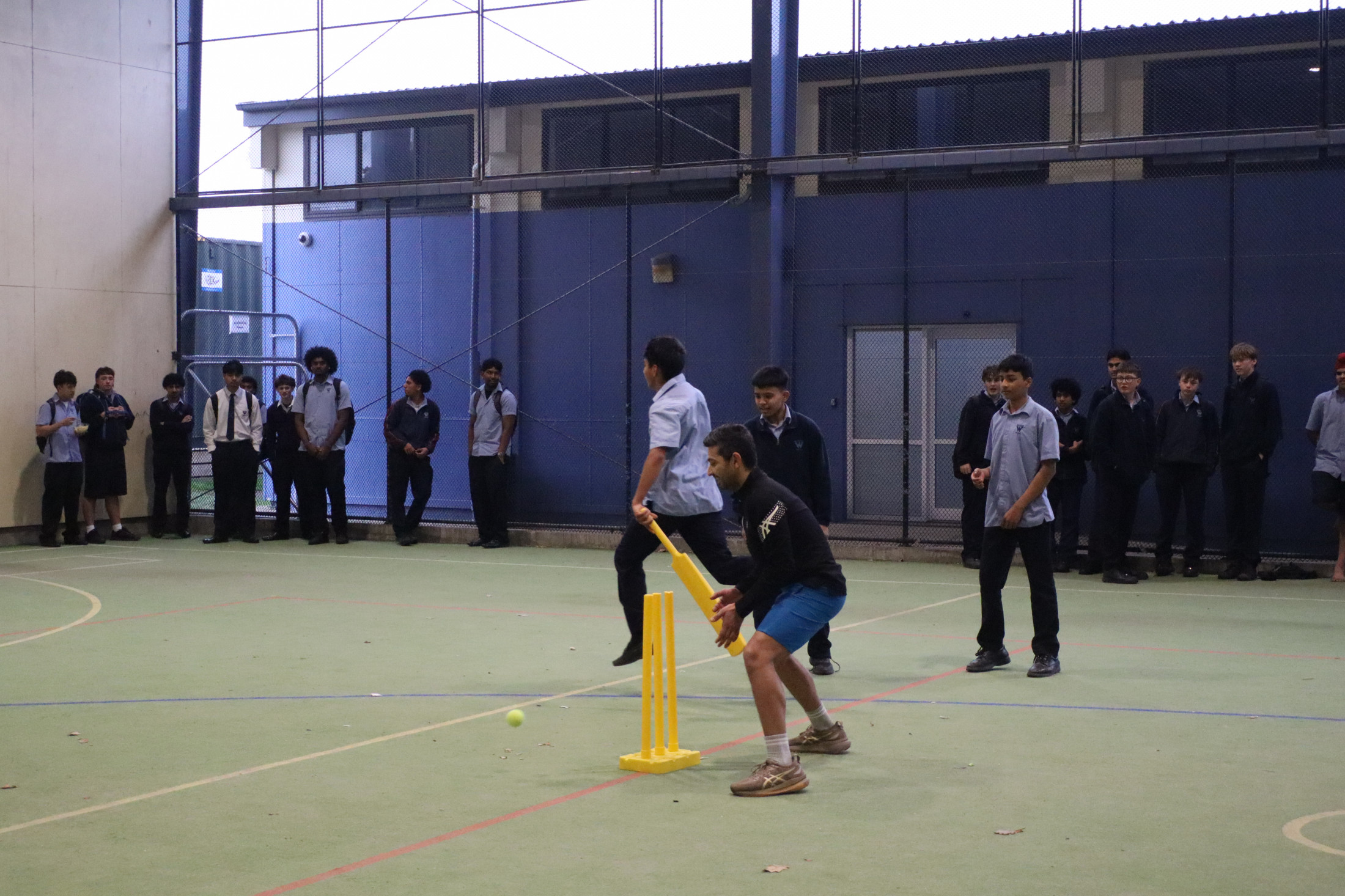
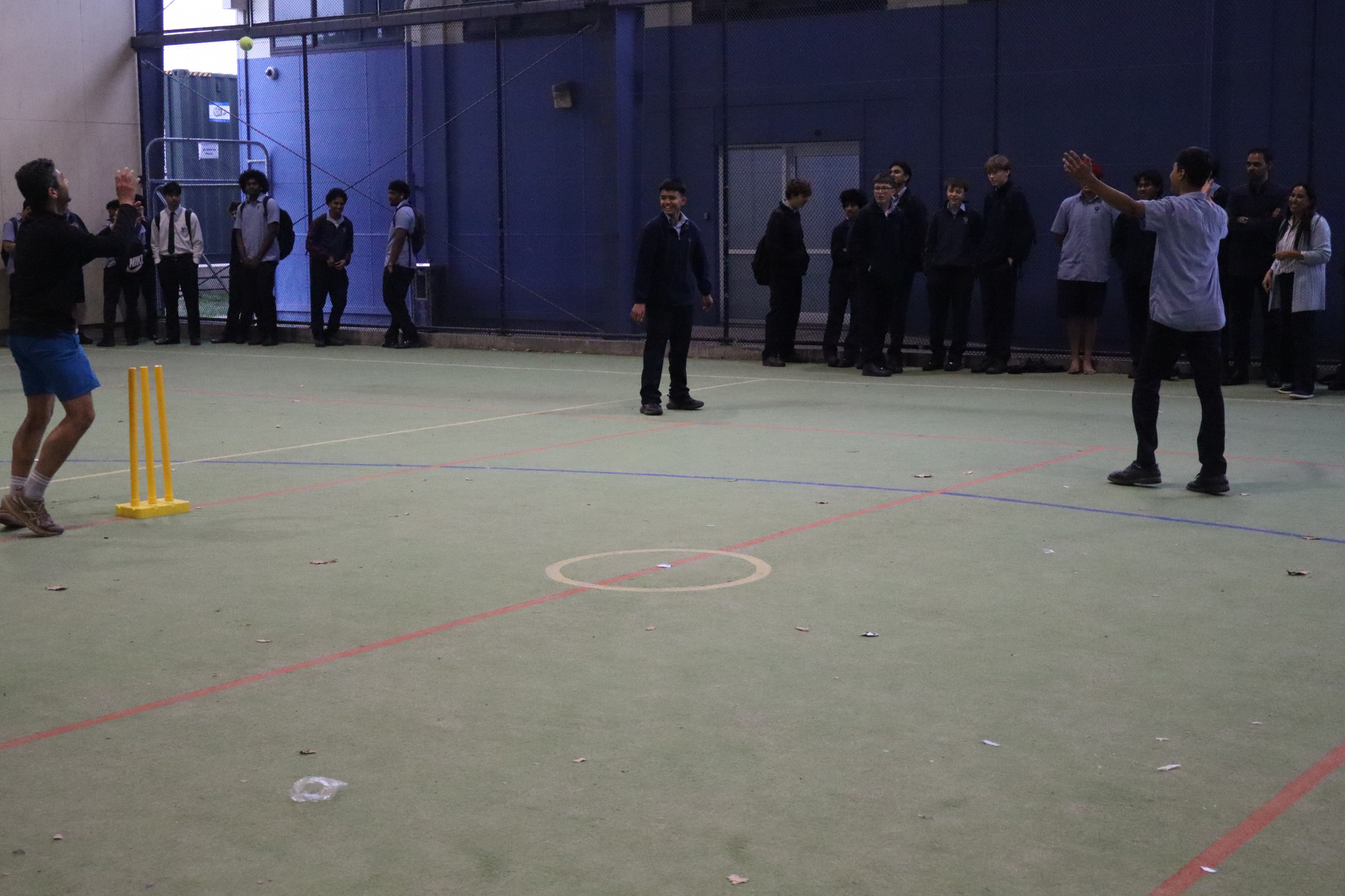
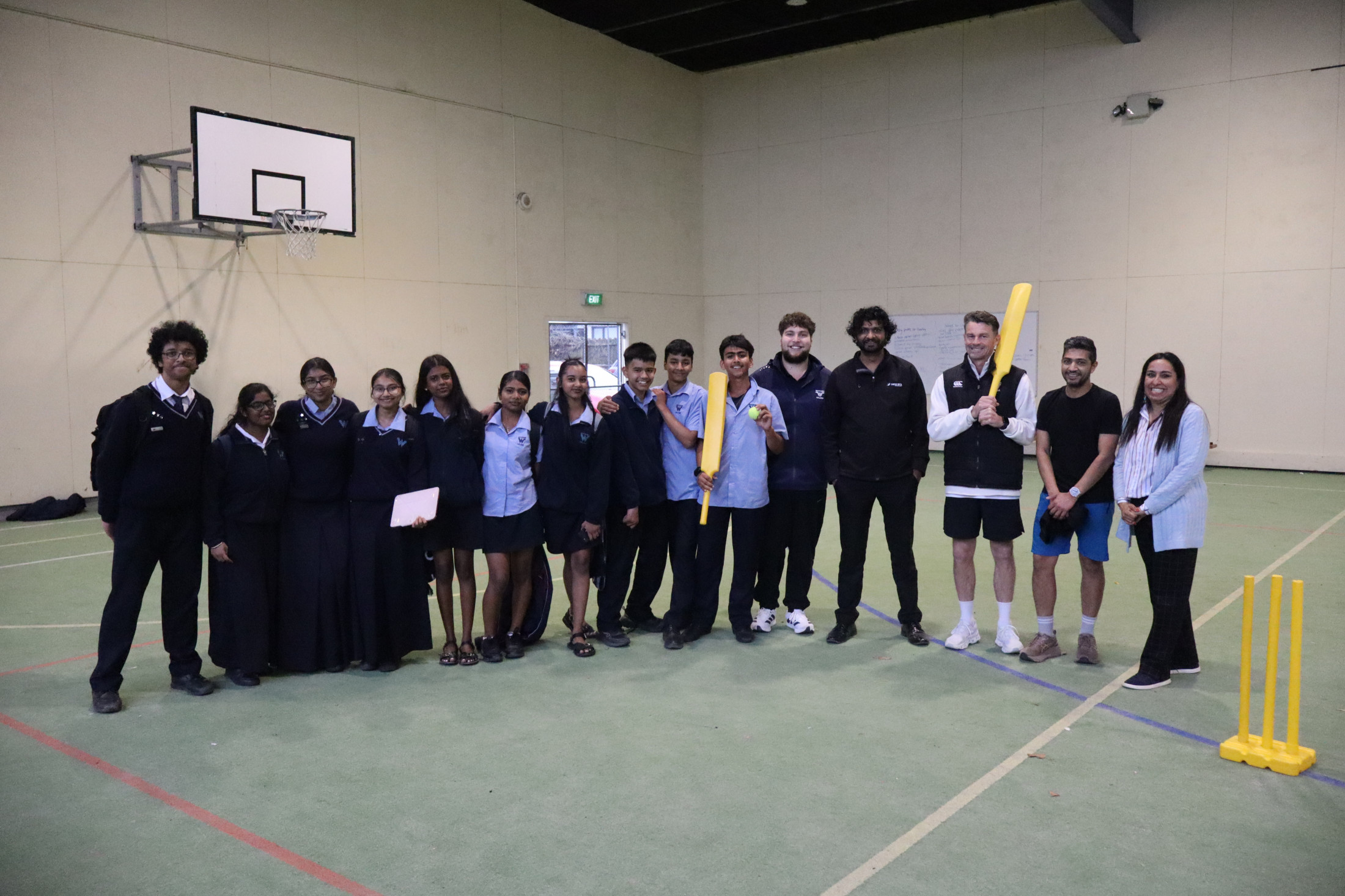
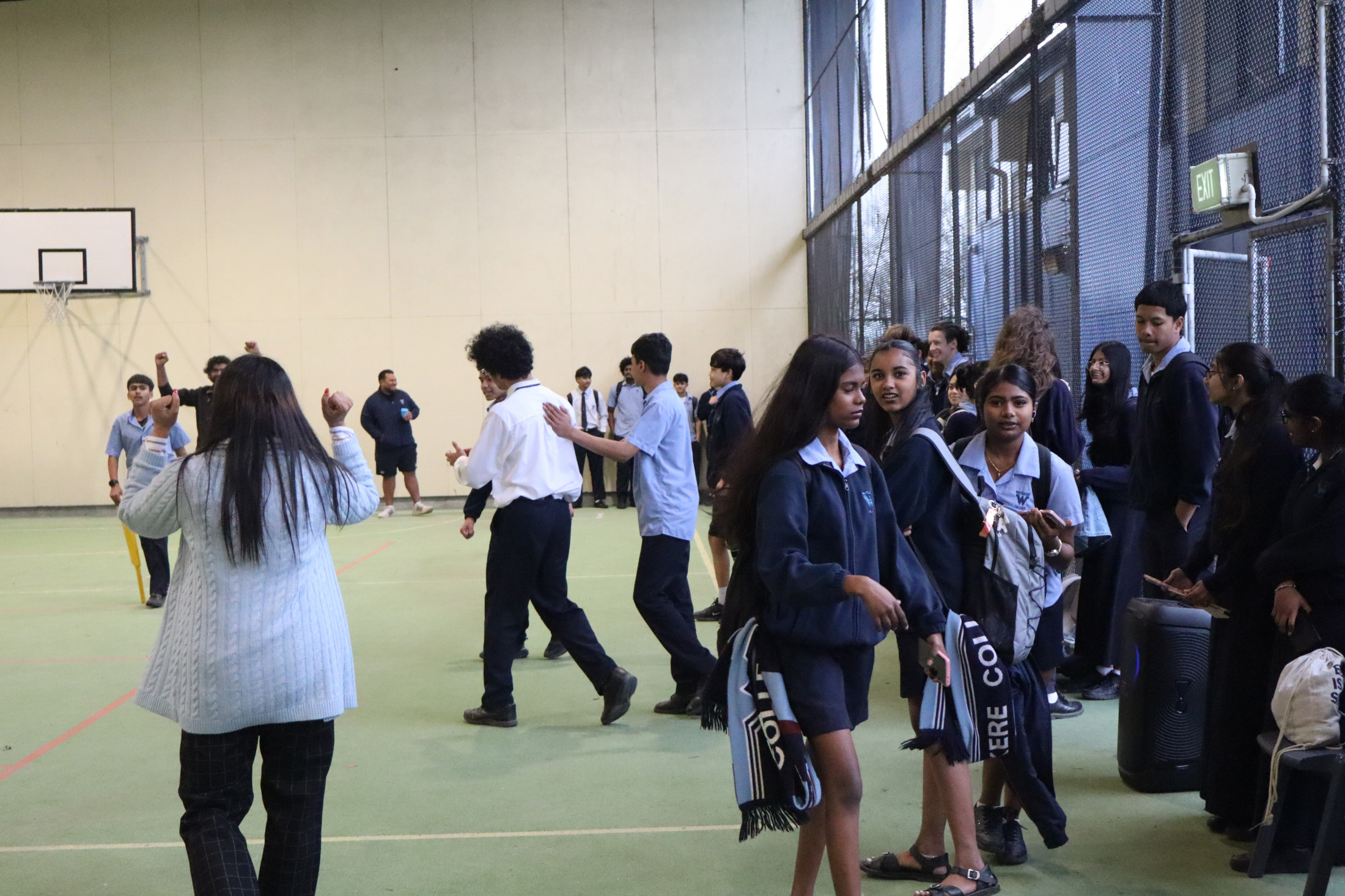
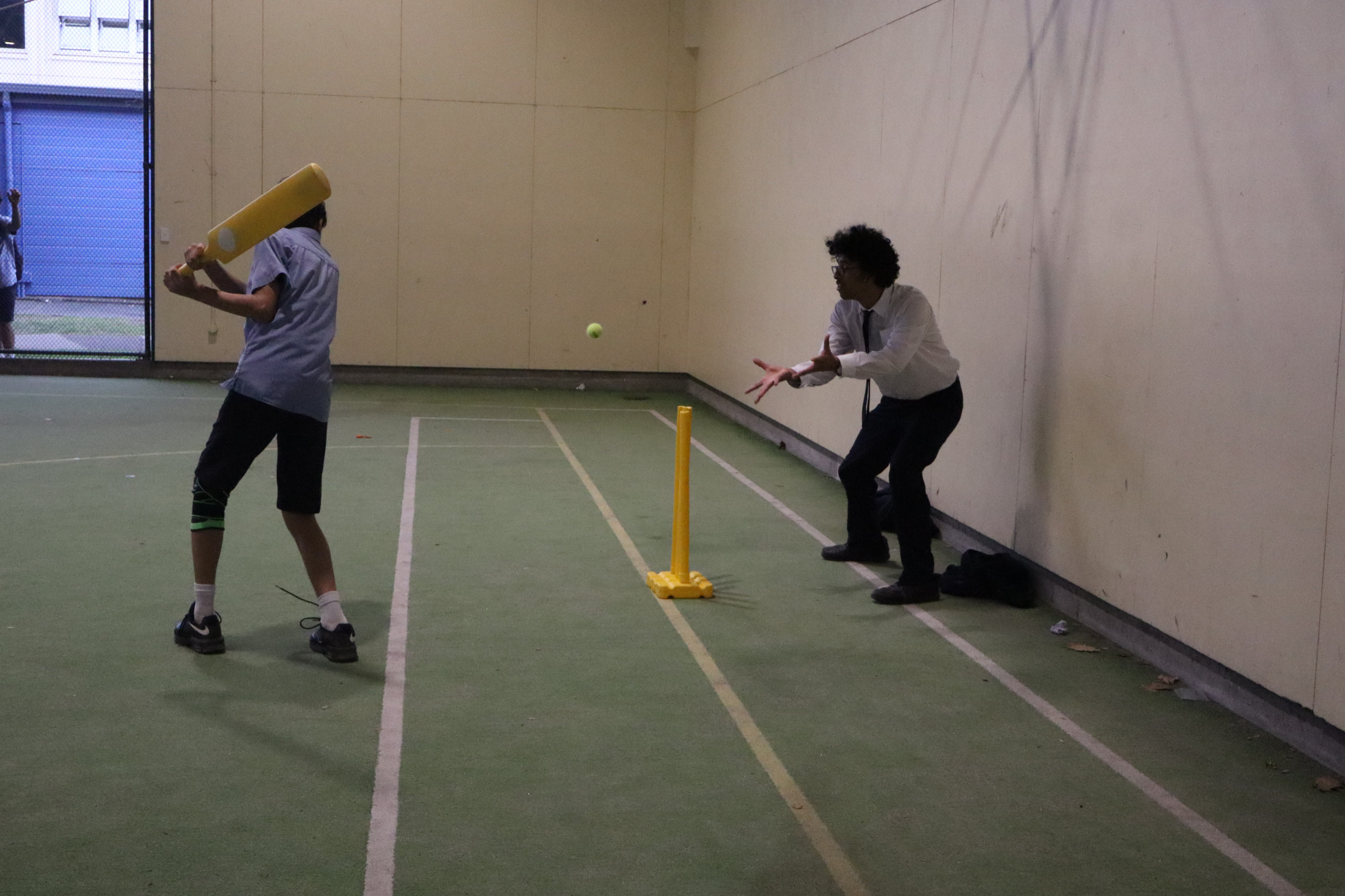
The celebrations moved from the solemn and emotional flag-raising ceremony to a more light-hearted game of gully cricket on Wednesday. The students played against the teachers and lost by a narrow margin of 8 runs! The game of cricket was first introduced to the Indian subcontinent by the British and the people of India took to it like a duck to water! It is now one of the most popular sports played in the region and has been integrated into its culture. Gully cricket is equivalent to the backyard cricket played in New Zealand - gully refers to the narrow alleys found in every city and town in India. It is a fun and informal way for all people to enjoy the game.
The celebrations culminated with food - glorious food! Students sold mango lassi, sweets and snacks from the region on Friday. They also had tables set up for henna, so other students and teachers could experience getting their hands decorated with traditional, intricate designs.
These celebrations at Waitākere College are an important way for students and teachers to stay connected with their culture and feel pride in their identity. It is also a great opportunity for them to share their history and heritage with the wider community. As Maya Angelou said, “In diversity there is beauty and there is strength.”


 42 Rathgar Rd